Shipping With Prepaid Debit Card: What Works
Shipping with prepaid debit card can work, but limits apply. Learn what carriers accept, common issues, and smarter ways to buy labels fast.
July 7, 2026
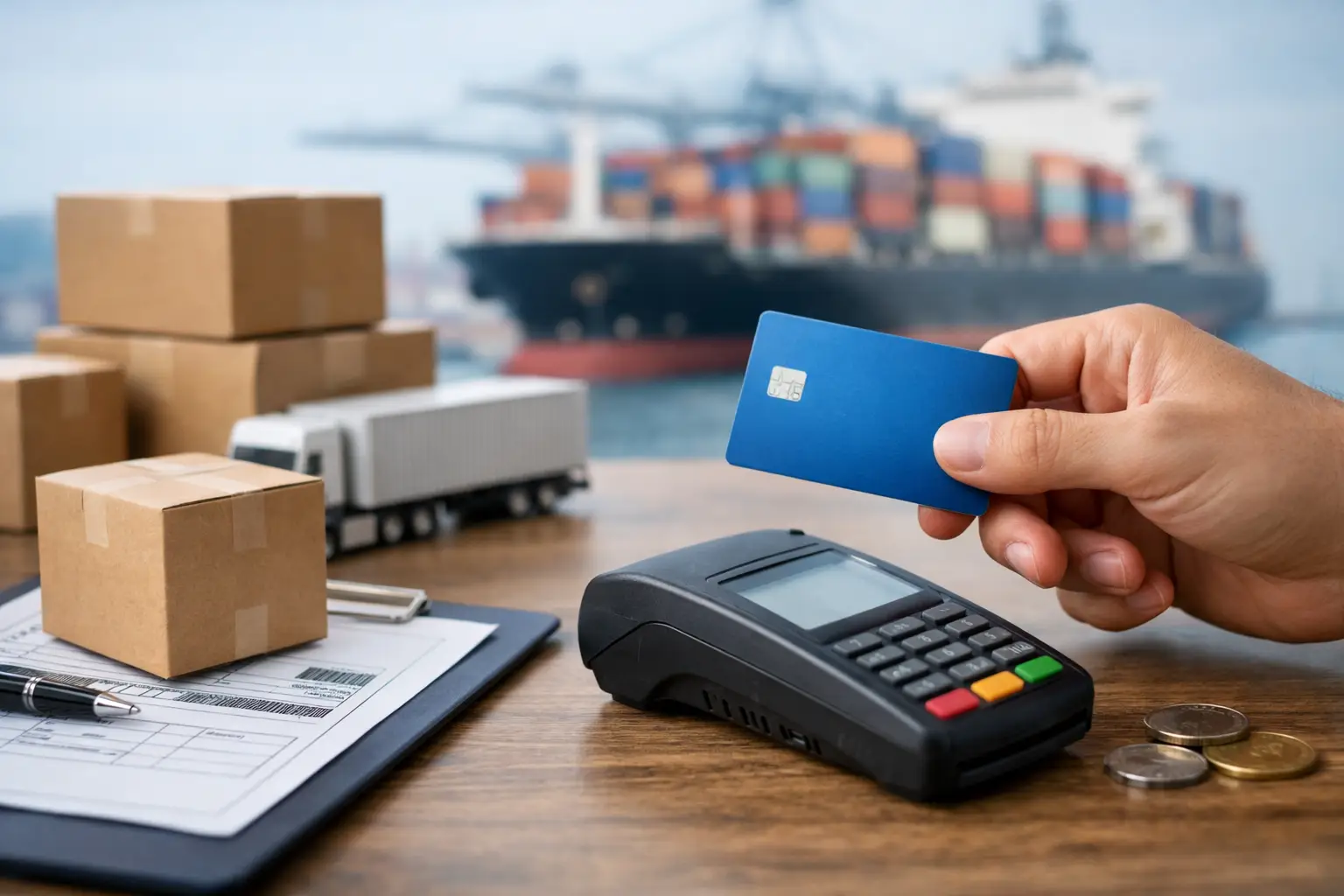
Trying to pay for postage with the money you already loaded onto a card sounds simple. Then checkout throws a fit, the carrier declines the payment, or the hold on your balance eats more than the label cost. Shipping with prepaid debit card is possible in a lot of cases, but it is not always as clean as using a regular credit card or a funded shipping wallet.
That matters if you run an ecommerce shop, sell on marketplaces, or just hate tying shipping costs to your main bank account. A prepaid card can help control spend, separate business expenses, and keep cash flow tighter. It can also create random friction right when you need to print labels and get orders out the door.
Shipping with prepaid debit card: the short answer
Yes, you can often handle shipping with prepaid debit card payments, especially when the card is Visa or Mastercard branded and registered properly. But acceptance depends on where you buy the label, how the card is set up, and whether the platform runs extra authorization checks.
Retail counters, carrier websites, and shipping software do not all treat prepaid cards the same. Some process them like any other debit card. Others reject them because of billing verification, balance issues, fraud controls, or restrictions tied to international transactions and recurring payments.
So the real answer is boring but true - it depends. And if you ship regularly, that little detail can turn into a giant time suck.
Why sellers use a prepaid debit card for shipping
For some merchants, prepaid is not a backup plan. It is the plan.
If you are managing tight margins, prepaid cards create a hard spending ceiling. You load what you want to spend on postage and that is it. No surprise charges. No random employee swiping the wrong card. No business expenses mixed with personal stuff you now have to untangle at tax time.
They also make sense for newer sellers who are not ready to use a business credit line, or for teams that want to hand shipping access to staff without exposing the company bank account. That kind of control is useful. The downside is that prepaid cards are built for spending, not always for business workflows with address matching, temporary holds, and software-based transactions.
Where prepaid debit cards usually work for shipping
If your prepaid card has a major card network logo and enough available funds, it will often work at a carrier counter or on an online checkout page for one-off labels. USPS, UPS, and FedEx related purchases may go through if the card issuer allows card-not-present transactions and the billing information matches what the processor expects.
Shipping software can also accept prepaid cards, but this is where things get pickier. Some platforms require a valid billing address. Some place a test authorization before charging. Some want you to fund an account balance first instead of charging each label individually.
That last option is usually the least annoying. If you can preload a shipping balance from a prepaid card, then buy labels from that balance, you avoid some of the repeated declines and verification nonsense that happen on every single transaction.
Why shipping with prepaid debit card gets declined
Most declines are not mysterious. They are just badly explained.
The biggest problem is available balance. A label might cost $11.42, but the processor could place a temporary hold for a little more. If your card only has the exact amount of the label, the payment can fail even though it looks like you have enough money. That catches sellers all the time.
Billing address mismatch is another common mess. Many prepaid cards need to be registered online with your name and address before they work reliably for online payments. If the platform checks AVS and your card is unregistered, good luck.
Some prepaid cards also block certain transaction types. International purchases, recurring billing, and high-risk ecommerce transactions can all trigger declines. Shipping platforms are not always flagged the same way by every issuer, so one prepaid card may work fine while another gets bounced instantly.
Then there is the fun one nobody asks for - refunds. If a voided label or adjustment has to go back to the prepaid card, timing can be slower and more confusing than with a normal bank card.
How to make a prepaid debit card work more reliably
If you are set on shipping with prepaid debit card payments, a few basic moves will save you a lot of grief.
First, register the card with your legal name and billing address. Do not skip this. A surprising number of payment failures come from sellers treating a prepaid card like cash with a chip. Online systems do not see it that way.
Second, keep more on the card than the exact postage amount. Give yourself a cushion for authorization holds, insurance add-ons, or rate changes. Running a card down to the penny is a great way to waste 20 minutes on a checkout screen.
Third, test it with a small transaction before you rely on it for a big batch. If you need to print 60 labels before pickup, that is not the time to find out your card issuer hates shipping software.
Finally, if your shipping platform lets you fund a wallet or account balance, use that route. It is usually smoother than charging the prepaid card for every single label. For sellers who care about speed, that matters more than the payment method itself.
The trade-offs merchants should think about
Prepaid cards give you control. They do not always give you convenience.
If you ship occasionally, the trade-off may be fine. A prepaid card can be a simple way to keep costs boxed in and avoid touching your main operating account. But if you are printing labels every day, dealing with balance checks, declines, and refund delays gets old fast.
There is also a visibility issue. Some prepaid programs have weak reporting compared with business credit cards or dedicated expense tools. If you are trying to track shipping spend by channel, employee, or brand, the card itself may not help much. You need the shipping platform to do the heavy lifting.
That is why a lot of experienced sellers care less about whether a prepaid card works in theory and more about whether the software makes payment painless in practice. Saving fifty cents on fees means nothing if your fulfillment line stalls out.
A smarter setup for frequent shippers
If shipping is part of your daily grind, the best system is usually one that separates payment from label production just enough to reduce friction. In plain English: fund once, ship a bunch, move on with your life.
That could mean loading a shipping account with a prepaid card, then using that balance to compare rates and print labels as needed. It keeps spending capped while avoiding constant card checks and processor drama. It is also easier to hand off to a team because the operational workflow stays the same even if the funding source changes.
This is where good shipping software earns its keep. Instead of forcing you to bounce between carrier sites and hope your prepaid card behaves the same way everywhere, one dashboard can centralize rates, purchases, and label creation. The Shipping Dude is built around exactly that kind of no-BS workflow - compare USPS, UPS, and FedEx rates, fund your account, buy labels fast, and stop wasting time on payment gymnastics.
When a prepaid debit card is a bad fit
Sometimes the honest answer is: do not force it.
If you ship high volume, process lots of refunds, or need airtight expense controls with detailed accounting integrations, a prepaid card may be more trouble than it is worth. The same goes if you run into frequent declines or use multiple staff members across different locations. At some point, the convenience of a dedicated business card or funded postage account wins.
Prepaid also gets shakier if you deal with international shipping, signature services, or other transactions that create variable charges. The more complexity in the shipment, the more likely a rigid card balance becomes a problem.
None of this means prepaid cards are bad. It just means they are a tool, not magic. Great for some setups. Annoying for others.
The bottom line on shipping with prepaid debit card
Shipping with prepaid debit card payments can absolutely work, especially for small sellers, lean teams, and merchants who want tighter control over postage spend. The catch is that card acceptance is not the whole story. Registration, available balance, authorization holds, and platform rules all decide whether checkout is smooth or painfully dumb.
If prepaid fits how you run your business, set it up the right way and use a shipping workflow that reduces repeated payment friction. And if your current setup keeps making simple postage feel like a side quest, that is your sign to simplify the system, not just the card.
