Shipping With a Master Card Gift Card: What Works
Shipping with a Master Card gift card can work, but label platforms may decline it. Learn the checks that prevent payment drama and delays at checkout.
July 11, 2026
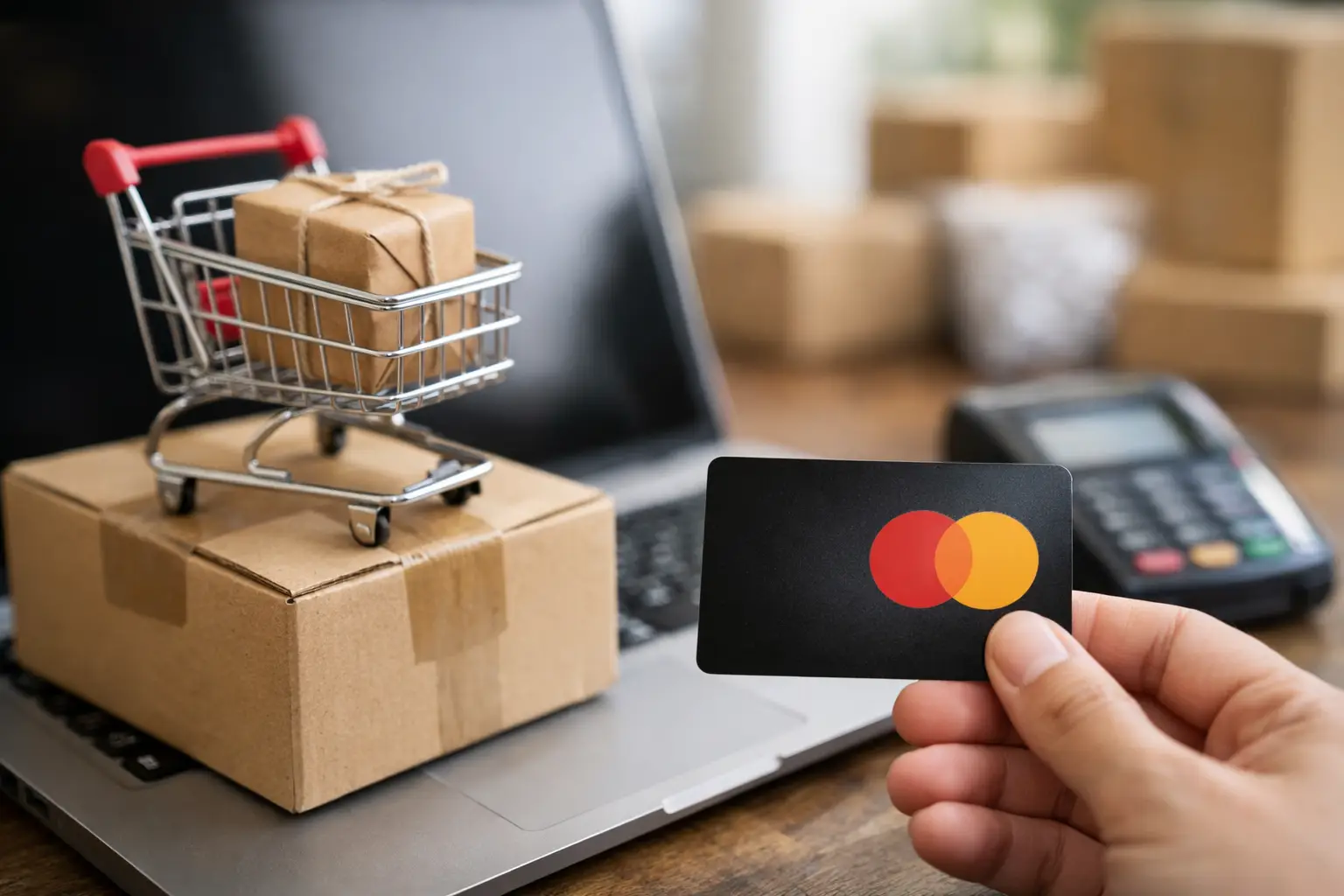
A prepaid card with money on it feels like it should be dead simple: buy postage, print the label, ship the box. But shipping with a Master Card gift card can get weird fast when a payment processor sees a prepaid card, a billing-address mismatch, or an authorization hold that eats more of your balance than expected.
The short version: a MasterCard gift card may work for shipping purchases if the shipping platform and its payment processor accept prepaid cards. That is not the same thing as guaranteed acceptance. Before you pack 40 orders and bet your afternoon on one $100 gift card, know where the traps are.
Can You Buy Shipping Labels With a Master Card Gift Card?
Sometimes, yes. If the card is active, has enough available balance, and can be used for online purchases, it may be accepted like any other card. The key word is may. Individual shipping platforms set their own payment rules, and card processors can decline prepaid gift cards for fraud-prevention reasons.
That distinction matters for merchants. You are not paying a carrier clerk at a counter. You are typically funding an account balance or paying for postage through software that has its own processor, risk controls, and billing requirements. A card that works at a grocery store can still get rejected when you try to buy a batch of labels.
The most common reason is simple: many prepaid gift cards are designed for one-time consumer purchases, not ongoing business billing. A shipping account can look more like a financial account than a normal online checkout, especially if it stores payment credentials, supports refunds, or requires a billing address.
What Has to Be True Before the Card Will Work
A MasterCard-branded gift card needs more than a positive balance. Start by checking whether the package or issuer materials say it is approved for online and phone purchases. Some cards are restricted to in-store use, while others require activation before the first transaction.
You should also register the card's billing ZIP code or address if the issuer offers that option. Shipping software often runs address verification. If the checkout form asks for a ZIP code and you enter your home, office, or warehouse ZIP without registering it to the card first, the charge can fail even when the card has plenty of money.
Available balance is another big one. Do not load a $25 card and attempt to buy exactly $25 in postage. Payment systems may place a small temporary authorization on the card before settling the final charge. If there is no room for that hold, the transaction can be declined. Give yourself a cushion.
Finally, check the card's expiration date and any issuer fees. A gift card does not care that your customer needs an order out today. If it expired last month or has been drained by inactivity fees, the label is not printing.
Why Shipping Platforms May Decline Prepaid Gift Cards
Prepaid cards create a few operational headaches for platforms that sell postage. They can be difficult to verify, they may not support recurring payments, and refunds can be messy if the card is discarded or expires. That is why some platforms accept debit and credit cards but block prepaid gift cards entirely.
There is also the issue of payment disputes. Postage is often purchased and consumed quickly. Once a label is used, there is no putting that shipment back in the box. Platforms may apply tighter payment controls to limit chargebacks and fraud, particularly for new accounts or unusually large transactions.
That does not mean you did anything wrong. It means a $200 prepaid card can trigger a different risk profile than a business credit card that has years of account history behind it. Annoying? Yep. Personal? Nope.
If a payment is declined, do not keep smashing the checkout button. Multiple failed attempts can create temporary holds, and those holds can make the remaining balance look lower than it really is. Check the card balance, confirm the billing ZIP, wait for any pending authorization to clear if needed, and contact the card issuer for the decline reason.
Direct Label Purchases vs. Adding Wallet Funds
How you pay can matter as much as what you pay with. Some shipping services charge your card each time you buy a label. Others ask you to add funds to a postage wallet, then deduct label costs from that balance.
A gift card has a better shot when the checkout is treated as a straightforward, one-time purchase. Wallet funding can be more restrictive because the platform may view it as stored value. Some processors do not allow prepaid cards to fund wallets at all, while others may allow a small initial payment but reject larger loads.
This is also where split payments become a headache. Most shipping checkouts do not let you use two gift cards to fund one purchase. If you have $17 left on one card and your labels cost $19, the system may not automatically pull the remaining $2 from another card. Shipping is not a restaurant tab. It usually wants one approved payment method for the full amount.
For sellers who ship regularly, a dedicated business debit or credit card is usually the cleaner play. Use the gift card for eligible one-off expenses if it works, but do not build your fulfillment operation around a payment method that could disappear at checkout.
A Smart Way to Test Shipping With a Master Card Gift Card
Do not test a new prepaid card on your biggest label batch or your final holiday cutoff. Buy one inexpensive label first, ideally for a shipment you already need to send. That gives you a real answer without turning payment troubleshooting into a warehouse emergency.
Before testing, make sure the card is activated and registered, then verify the balance directly through the issuer. Enter the billing information exactly as registered. If the platform allows you to save the payment method, remember that a successful first transaction does not guarantee it will support future charges or account funding.
After the purchase, check the gift card balance again. Look for the final charge and any pending authorization. Keep the card until every label tied to that payment is delivered and any refund window has passed. If a carrier adjustment or voided-label refund is issued, you want the original card available to receive it.
Better Payment Habits for Serious Sellers
Gift cards are fine for using up a balance or covering an occasional shipping expense. They are not ideal as the main engine behind a growing order operation. Your checkout setup should be boring, reliable, and ready when orders spike. Boring is beautiful when 150 packages are staring at you from the packing table.
A good shipping platform gives you the other half of that equation: clear pricing before you buy. Compare carrier options, see the actual cost, and choose the service that fits the delivery promise without donating extra money to postage. The Shipping Dude is built for that kind of no-BS rate shopping, so merchants can compare USPS, UPS, and FedEx options and print labels without bouncing among carrier sites.
Keep a primary payment method with enough room for normal volume, plus a backup method you have already tested. Reconcile postage purchases regularly, especially if multiple people create labels. And if you rely on account credits, understand whether they expire, whether refunds return to the original card, and whether your team can keep shipping if a payment method fails.
When a Gift Card Is Worth Trying - and When It Is Not
Trying a MasterCard gift card makes sense when you have a small remaining balance, a one-time shipment, or a card that is already registered for online use. It can be a practical way to turn unused funds into a label instead of letting the card sit in a drawer forever.
Skip it when you are funding a large postage balance, sending time-sensitive orders, or setting up recurring shipping expenses. The possible savings are not worth a payment decline that delays customer orders, creates extra support work, or leaves your team waiting around for authorization holds to clear.
Treat the gift card as a convenience, not a shipping strategy. Test it on a low-stakes label, keep a real backup payment method ready, and spend your energy on the part that actually moves the needle: paying less postage while getting orders out the door on time.
