Shipping Label Printing
Shipping label printing software helps online sellers cut costs, compare rates fast, and print labels without the usual fees or carrier chaos.
June 20, 2026
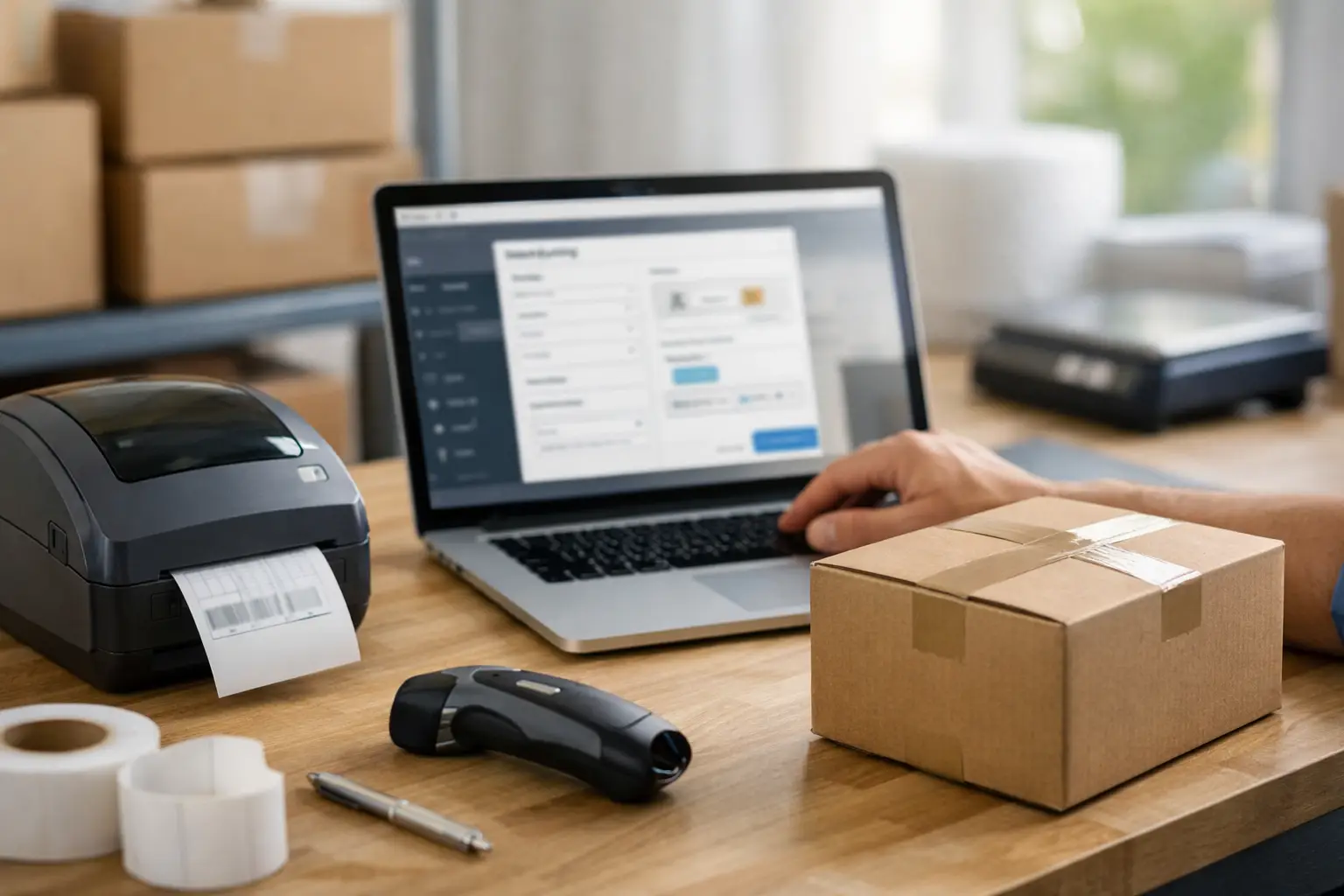
If you’re still opening three carrier tabs, copying addresses by hand, and hoping you picked the cheapest service, your shipping process is eating margin for breakfast. Good shipping label printing software fixes that fast. It takes a job that should take seconds and stops it from turning into a daily money leak.
For ecommerce sellers, resellers, and warehouse teams, this is not some nice-to-have back-office tool. It’s one of the clearest profit levers you’ve got. Every label is a cost decision. Every delayed shipment is a customer service problem waiting to happen. And every extra click in fulfillment adds up when you’re printing dozens, hundreds, or thousands of orders.
What shipping label printing software should actually do
Let’s skip the fluffy stuff. Shipping label printing software should help you compare rates, buy postage, print labels, and move on with your day. If it adds complexity, hides fees, or makes you work around the system, it’s not helping.
At a minimum, the software should pull real carrier rates into one screen so you can see the actual options without bouncing between USPS, UPS, and FedEx. It should let you print labels quickly, connect your stores or order sources, and keep your shipment history organized. That’s the baseline, not a bonus.
Where the difference shows up is in how much friction the platform removes. Some tools feel like they were built by people who have never packed a single box. Others are clearly made for merchants who care about speed, cost, and not getting nickel-and-dimed every time they ship.
Why bad shipping software gets expensive
The obvious cost is postage. If your system makes it hard to compare services, you’ll overpay more often than you think. Maybe you default to one carrier out of habit. Maybe you miss a cheaper ground option. Maybe you upgrade service levels because you don’t have time to check. That convenience tax gets ugly fast.
Then there are the softer costs that stop being soft once you look at your week. Manual entry causes address mistakes. Address mistakes cause reprints, returns, and annoyed customers. Slow workflows back up your packing station. Hidden subscription costs and per-label fees chip away at savings you thought you were getting.
That’s why the cheapest-looking platform is not always the cheapest tool. If the pricing is murky or the workflow is clunky, you’ll pay for it somewhere else.
The features that matter most in shipping label printing software
Rate comparison sits at the top of the list because postage is where your money goes. You want to see live pricing across carriers, not yesterday’s estimate and not one brand’s sales pitch. The faster you can spot the best option, the faster you protect margin.
Label creation needs to be fast and boring in the best way. Pull in the order, confirm the package details, print, done. If the system turns every shipment into a mini project, it will annoy your team and slow down fulfillment.
Batch processing matters once volume picks up. Printing one label at a time is fine until it absolutely isn’t. If you’re handling marketplace orders, daily web store volume, or CSV imports, batch tools save real labor.
Store integrations matter too, but only if they’re useful. A long list of supported platforms looks great on a landing page. In practice, you need order sync that works, updates that happen when they should, and setup that doesn’t require a support ticket and a prayer.
Branding can matter, depending on your business. If you want branded labels, packing slips, or a more polished post-purchase experience, some plans will justify the upgrade. But if your biggest pain point is simply getting cheaper postage and printing labels faster, don’t let shiny extras distract you from the basics.
How to tell if a platform is worth paying for
Start with pricing clarity. If you can’t tell what you’ll actually pay, assume the answer is more than you want. Monthly fees, per-label charges, feature gates, user limits, and surprise add-ons can turn a decent deal into nonsense.
Next, look at how the platform handles growth. A seller shipping ten packages a week needs a different setup than a team shipping five hundred a day. That doesn’t mean you need enterprise bloat on day one. It does mean your software shouldn’t punish you for scaling. Unlimited users, stronger automation, better rates, and broader connections become more valuable as volume increases.
Also check payment flexibility. This gets overlooked, but it matters. Some merchants want to fund labels as they go. Others want more structured billing. If the software gives you options without making it weird, that’s a plus.
And yes, support counts. Not because you want to chat with support all day, but because when shipping breaks, it breaks your workflow immediately. You need a team that can fix real problems without canned nonsense.
Shipping label printing software for small sellers vs. high-volume shippers
If you’re a newer seller, your needs are simple. You want a low-risk way to compare rates, buy labels, and not overcomplicate fulfillment. A free or low-cost plan can make perfect sense here, especially if it avoids monthly fees and doesn’t charge you every time you print. Keep it lean. Save money first.
If you’re shipping at higher volume, the math changes. Time starts costing as much as postage mistakes. Batch uploads, automation, branded documents, unlimited users, and deeper discounts become practical features, not luxuries. You’re not paying for bells and whistles. You’re paying to keep operations from turning into chaos.
That’s where a platform like The Shipping Dude fits naturally for a lot of merchants. It gives cost-conscious sellers a free place to start, then adds workflow and savings upgrades when volume makes them worth it. No mystery pricing. No bloated setup. Just a simpler way to pay less postage and keep labels moving.
Common traps merchants should avoid
One trap is choosing software based only on the carrier you already use. Loyalty is nice. Savings are nicer. If your current habit is costing you money, your software should challenge that habit, not reinforce it.
Another is overbuying features. Plenty of sellers get sold on warehouse-level functionality when they really need a clean label workflow and better rates. Fancy automation is great if you’ll use it. If not, it’s just another line item.
The opposite mistake happens too. Some businesses stay on bare-bones tools long after they’ve outgrown them because switching feels annoying. Meanwhile, staff time gets wasted, orders pile up, and everyone acts like this is normal. It isn’t.
There’s also the classic hidden-fee problem. Some platforms look cheap until you realize you’re paying monthly, paying per label, paying for users, and paying extra for features that should have been included in the first place. Read the pricing page like someone who has been burned before.
What a better shipping workflow looks like
A better setup is pretty simple. Orders flow in from your store or marketplace. You see live rates in one place. You pick the best option based on price, speed, or both. You print the label, send tracking, and get on with the rest of fulfillment.
That kind of workflow does two things at once. It cuts shipping costs and removes decision fatigue. Your team doesn’t have to guess. They don’t have to jump between carrier accounts. They don’t have to manually recreate the same shipment data all day.
And customers feel the difference even if they never see the software. Orders go out faster. Tracking gets updated properly. Fewer mistakes slip through. The back end gets cleaner, and the front end feels more reliable.
The real question to ask before you choose
Don’t ask which platform has the most features. Ask which one helps you ship faster, spend less, and keep control without adding new headaches. That’s the whole game.
The right shipping label printing software should make your workflow feel lighter within the first day or two. You should see rates faster, print labels faster, and understand your costs better. If that doesn’t happen, the tool is not doing its job.
Shipping is already expensive enough. Your software doesn’t need to join in. Pick the platform that cuts the nonsense, shows you the real rates, and lets you get packages out the door without a circus.
