Free Shipping Software That Actually Saves Money
Free shipping software helps sellers compare rates, print labels fast, and cut postage costs without monthly fees, contracts, or label surcharges.
July 4, 2026
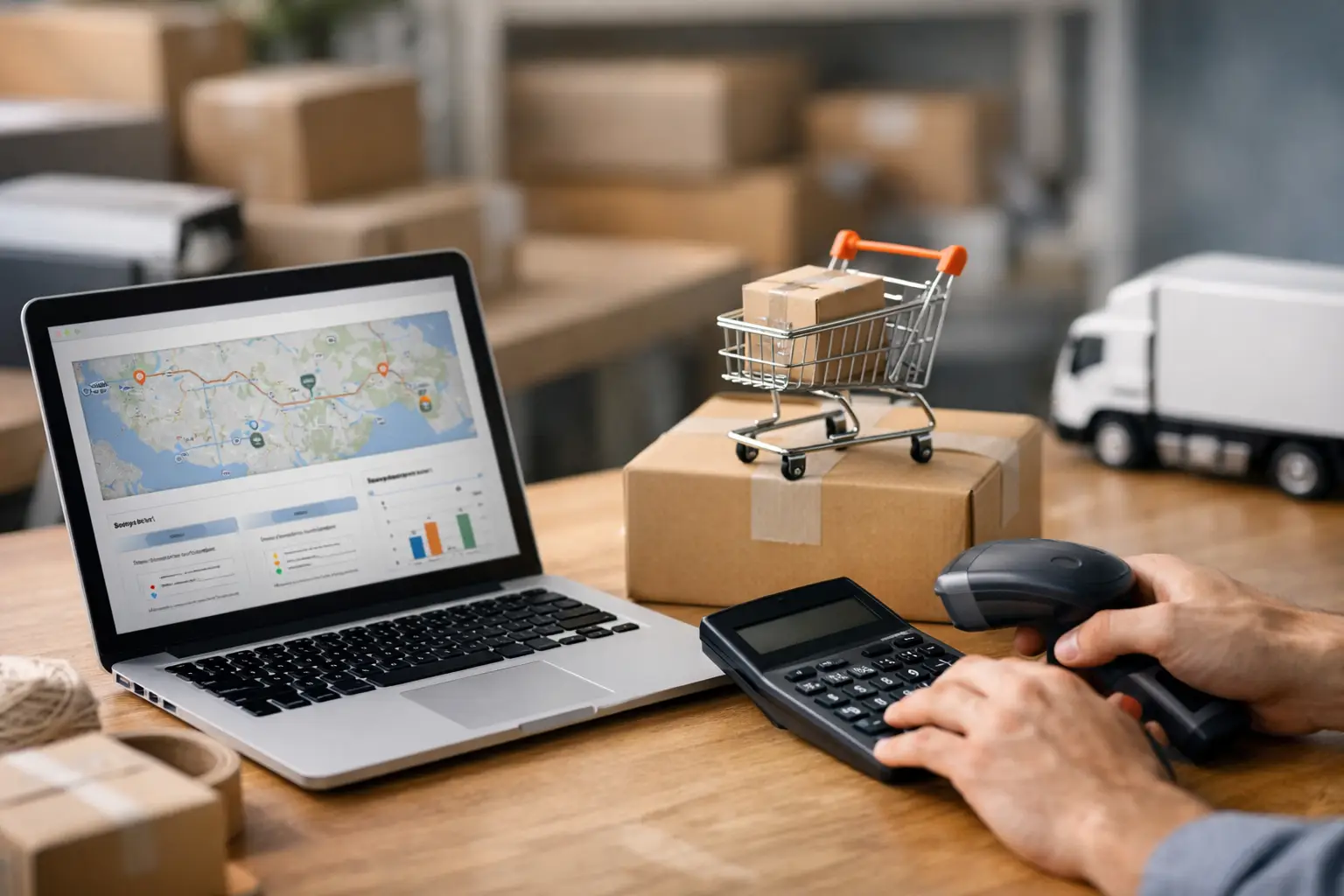
The fastest way to burn money in ecommerce is paying retail postage and calling it “just part of the business.” It’s not. If you’re still checking USPS in one tab, UPS in another, and FedEx somewhere else while orders pile up, free shipping software is not a nice-to-have. It’s the tool that stops the bleeding.
A lot of merchants hear “free” and assume there’s a catch hiding behind the curtain. Fair. Shipping software has a long history of cute pricing, mystery fees, and feature gates that show up right when you need to ship faster. But genuinely useful free shipping software does exist, and for small to midsize sellers, it can take a big chunk out of postage spend without adding another bloated monthly bill.
What free shipping software should actually do
At the most basic level, free shipping software should let you compare carrier rates, buy labels, and keep shipments organized in one place. That sounds simple because it is simple. The problem is that too many tools make the core job harder than it needs to be.
If the software is worth using, it should show real-time pricing across major carriers, help you print labels quickly, and reduce manual work. That means fewer copy-and-paste mistakes, less jumping between carrier sites, and fewer moments where you realize too late that you paid $11 for a shipment another carrier would have moved for $7.
Good free shipping software also needs to be honest about what “free” means. Some platforms offer a free plan but quietly charge per label. Others keep the monthly fee at zero and make up for it with limited access, weak rate options, or expensive add-ons. Free can still be valuable, but only if the math stays in your favor.
Why free shipping software matters more than most sellers think
Shipping costs don’t hurt all at once. They nickel-and-dime your margins until a solid sales month somehow feels average. A buck or two overspent on each package might not look dramatic on Tuesday afternoon. Multiply that by a few hundred orders, and now your “small” inefficiency paid for somebody else’s software stack.
That’s where free shipping software earns its keep. It gives you rate visibility before you buy the label, not after the damage is done. You can compare USPS, UPS, and FedEx side by side, choose the cheapest or fastest option for that specific shipment, and move on.
It also helps with speed. When your shipping process is a mess, every order takes longer than it should. That delay costs labor, increases errors, and creates customer service headaches you didn’t need. The right tool cuts that clutter down fast.
And no, free software won’t fix a bad fulfillment operation by itself. If your packaging is oversized, your warehouse flow is chaos, or your team is shipping late, software won’t magically save the day. But it does give you a cleaner system, better choices, and fewer dumb mistakes.
The real difference between useful and useless free shipping software
Not all free tools are built for actual businesses. Some are fine if you ship a package once every few weeks. If you run a store, move volume, or just want your afternoons back, you need more than a glorified label printer.
Useful software gives you rate comparison, quick label purchasing, order management, and a path to grow without ripping out your workflow later. Useless software gives you the bare minimum, then starts charging extra the second your business becomes real.
This is where trade-offs matter. A beginner shipping ten orders a week might be perfectly happy with a simple free plan. A seller doing hundreds of orders, using batch uploads, or managing a small fulfillment team will hit limitations faster. That doesn’t mean free is bad. It means you should know whether the free plan is a starter lane or a dead end.
How to evaluate free shipping software without getting played
Start with rate access. If the platform can’t help you compare discounted carrier pricing in one view, it’s already missing the point. The whole game is seeing your options before you commit.
Next, look at fees. Monthly fee, per-label fee, user fee, connection fee, markup on postage, weird wallet rules - this is where software companies get sneaky. If the pricing page reads like it was written by a defense attorney, keep walking.
Then check how labels are created. Can you buy them in a few clicks? Can you import orders from your store or marketplace? Can you batch process shipments if volume picks up? Free shipping software should reduce labor, not just change where the labor happens.
Support and flexibility matter too. Maybe you’re a solo seller now, but growth changes your needs. You might want branded labels, more store connections, multiple users, or better automation later. A decent platform should let you scale up when you need to, not force a migration because the free plan was only useful on paper.
Free shipping software and the myth of “lowest rate always wins”
Every merchant wants lower postage. Obviously. But the cheapest rate is not automatically the best choice every time.
Sometimes the right move is the lowest-cost service that gets the package there on time. Other times it’s worth paying a little more for speed, reliability, or better fit for the shipment. Lightweight residential packages may lean one way. Heavier boxes going across zones may lean another. That’s exactly why carrier comparison matters.
Free shipping software is valuable because it gives you options in context. You’re not guessing. You’re looking at the shipment in front of you and choosing based on price, speed, and what your customer expects.
That’s a lot smarter than defaulting to the same carrier every time out of habit.
Who benefits most from free shipping software
If you’re new to ecommerce, this kind of tool removes a lot of early friction. You don’t need to commit to a pricey operations platform just to print labels and stop paying retail rates. A free plan can be enough to get your shipping under control while you figure out order volume and workflow.
If you’re already shipping regularly, free shipping software can still make sense if the pricing is transparent and the rate savings are real. Plenty of experienced sellers don’t need a giant enterprise system. They need fast rate comparison, easy label purchasing, and no nonsense.
For growing teams, the question is less about whether free software works and more about how long it works for your setup. Once you need unlimited users, advanced workflows, branded packing materials, or broader account controls, stepping up to a paid tier may be the smart move. That’s not a failure of the free plan. That’s just matching the tool to the business you’ve built.
What a good free shipping software setup looks like
It’s boring in the best way. Orders come in. Rates appear fast. You pick the best option. Labels print. Tracking is in place. Nobody has to open five tabs or hunt through carrier dashboards like they’re solving a crime.
You should also know what you’re spending. That sounds obvious, but a lot of merchants don’t have a clean view of postage by carrier, service type, or shipment pattern. The more clearly your software shows costs, the easier it is to spot waste and make better decisions.
This is one reason merchant-friendly platforms stand out. When pricing is straightforward and the workflow is clean, you spend less time decoding software and more time shipping orders. The Shipping Dude, for example, leans hard into that no-BS approach with a free entry plan, live carrier comparisons, and none of the usual “gotcha” energy sellers are tired of dealing with.
The bottom line on free shipping software
Free shipping software is not about getting something for nothing. It’s about avoiding the stupid costs you never needed to pay in the first place. For a lot of sellers, that means lower postage, less manual work, and a shipping process that doesn’t eat half the day.
The best tool isn’t the one with the flashiest dashboard or the longest feature list. It’s the one that helps you compare rates fast, print labels without drama, and keep more of your margin where it belongs.
If your current setup feels clunky, overpriced, or weirdly proud of charging you extra to do basic shipping tasks, that’s your sign. Pick software that does the job, tells you what it costs, and stays out of the way while you get orders out the door.
