Can Sellers Hide Return Addresses on Labels?
Can sellers hide return addresses? Learn what carriers require, safer alternatives, and how to protect your privacy without derailing deliveries fast.
September 20, 2026
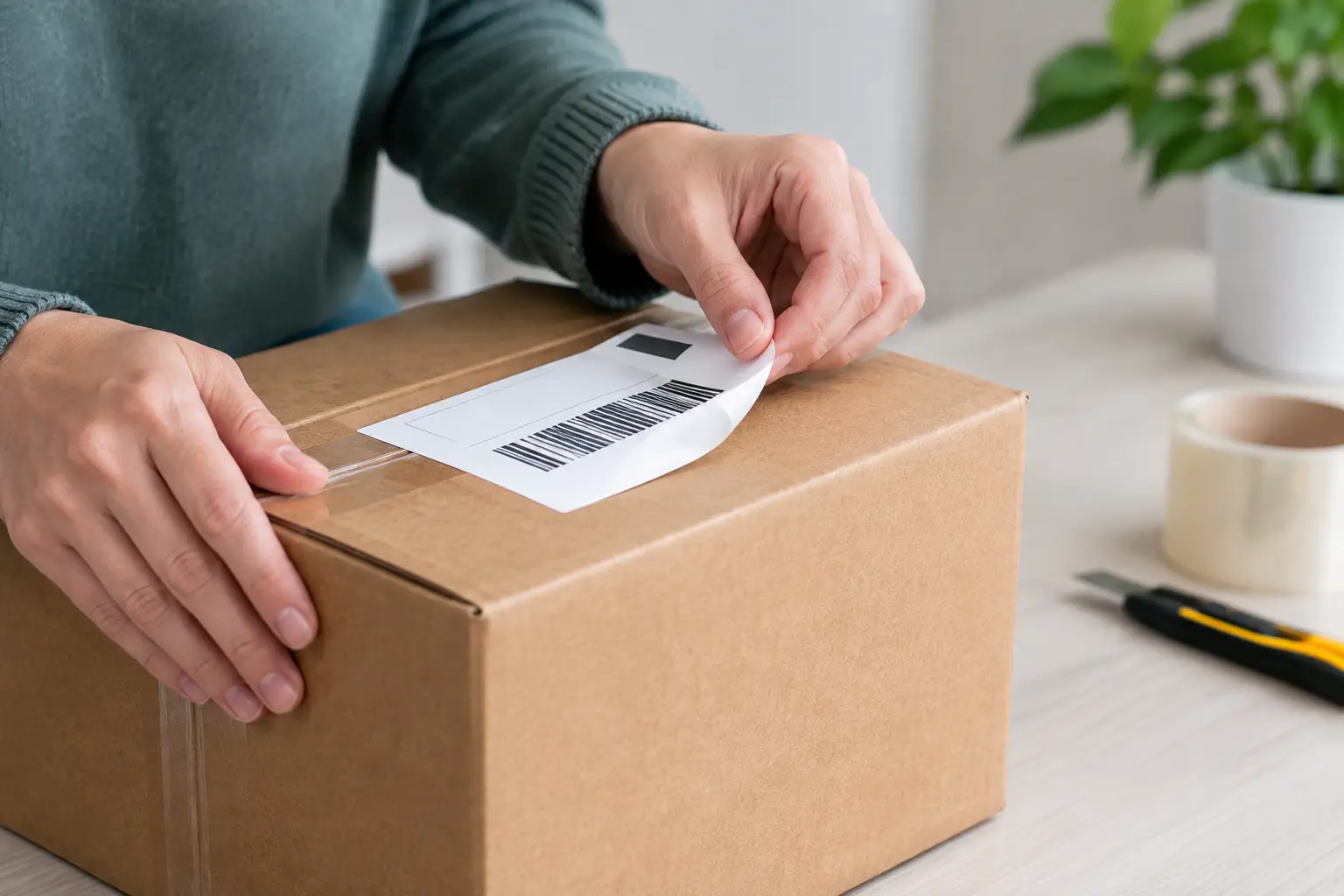
A customer flips over your package, sees your home address, and suddenly your side hustle feels a little too personal. So, can sellers hide return addresses? Usually, no - not if you mean removing the sender address from a normal carrier label entirely. But you do have smart, legitimate ways to keep your home address off customer-facing packages without turning your shipping operation into a refund factory.
The goal is not to outsmart USPS, UPS, or FedEx. It is to give carriers a real, usable return location while keeping your personal doorstep out of the equation. That is a much better plan than hoping a blank return field goes unnoticed.
Can Sellers Hide Return Addresses Completely?
For most parcel shipments, assume the carrier needs a valid ship-from or return address. It helps identify the sender, supports delivery operations, and gives undeliverable packages somewhere to go. Carrier rules vary by service, package type, destination, and special handling requirements, but a missing or fake address is not a clever privacy hack. It is a problem waiting to charge you postage twice.
USPS requires a return address for certain mail classes and services, and strongly recommends one for everything else. UPS and FedEx labels also rely on accurate sender information. If a package is damaged, refused, undeliverable, or missing key delivery details, the return address may be the only thing separating your inventory from a carrier dead-end.
You might technically get some packages accepted without a visible return address under limited circumstances. That does not make it a scalable ecommerce strategy. A package that cannot be returned can be delayed, disposed of, or leave you arguing with a customer while your product vanishes into the shipping void. Not exactly the premium customer experience anyone ordered.
There is another catch: marketplace and consumer-protection policies may require you to provide a return path. If you sell on platforms such as eBay, Etsy, Amazon, Walmart Marketplace, or your own store, your published return policy still matters even if you prefer not to receive returns at home. Hiding the address does not erase your responsibility to handle a legitimate return.
Why Sellers Want to Hide a Return Address
For a lot of merchants, this is not about being shady. It is about basic privacy.
Home-based sellers may not want buyers knowing where they live. Resellers may work from apartments, shared homes, or places where frequent returns are inconvenient. Some product categories attract more customer contact than others, and a personal address on every label can feel like an unnecessary security risk.
There is also a branding angle. A handmade-goods shop or growing resale business may not want packages showing a residential address that clashes with the business image they are building. Customers do not need to know whether your fulfillment center is a warehouse, a spare bedroom, or a folding table next to the laundry basket.
The answer is not a fake address. Using an address where you cannot receive mail, an abandoned location, or somebody else’s property without permission can create carrier issues and expose you to fraud claims. Keep it boring, accurate, and accessible. Boring shipping data is good shipping data.
Use a Real Return Address That Is Not Your Home
The cleanest solution is to use a dedicated business return address. The best option depends on what you ship, your return volume, and which carriers you use.
A PO Box can work for USPS-heavy sellers
A USPS PO Box gives you a legitimate mailing address without putting your home address on the label. It can be a solid move if you mainly ship with USPS and receive smaller returns.
The limitation is size and carrier compatibility. A PO Box is designed for USPS mail. Some UPS and FedEx return shipments may not be deliverable to it, especially if the carrier needs a physical street address. Before you print hundreds of labels, make sure your return setup can accept the services your customers are likely to use.
A private mailbox offers more flexibility
A private mailbox at a shipping store or commercial mail receiving agency often provides a street-style address, usually with a unit or mailbox number. That can be more practical for sellers who use multiple carriers or receive parcels that will not fit in a PO Box.
Read the fine print before signing up. Confirm that the mailbox provider accepts USPS, UPS, and FedEx packages, has reasonable package-holding rules, and can handle the size of returns you sell. A mailbox that works great for jewelry returns may be a terrible fit for a 30-pound home goods return.
A warehouse, 3PL, or office may be the right answer
If you already use a third-party logistics provider, warehouse, coworking office, or commercial workspace, ask whether it can receive customer returns. Do not assume the outbound shipping address is automatically approved for inbound returns. Someone needs to accept the package, identify it, and get it back into your inventory or returns process.
This route makes sense when your volume is growing and you need more than privacy. It can centralize inspection, restocking, and exchanges. It also costs more, so do not build a warehouse-sized solution for a business getting two returns a month.
Keep Your Label Address and Return Policy Aligned
Your shipping label is only one part of the return experience. Customers also need clear instructions for where and how to send items back.
If you require return authorization, say so plainly in your policy and customer messages. If you provide prepaid return labels, your return label should point to the address where you actually want the package to land. If customers are allowed to arrange their own return shipping, give them the designated return address after approval rather than publishing your home address everywhere.
That approach protects privacy without making returns impossible. It also helps prevent random, unapproved packages from showing up at your mailbox with no order number, no context, and no chance of a quick refund decision.
Do not use a return address that conflicts with your policy. For example, sending outbound packages from a private mailbox while telling customers to return products to a different location is fine, but the instructions need to be clear. Confusion creates support tickets, chargebacks, and the kind of back-and-forth that eats up your afternoon.
What Not to Do
A few shortcuts are especially risky. Do not put a fake sender address on labels. Do not use a friend’s or neighbor’s address without explicit permission. Do not list an address that cannot accept returned packages. And do not assume a carrier will forward a return to your real address for free.
Also, avoid using a registered agent address simply because it appears on your business paperwork. A registered agent is there to receive legal documents, not necessarily customer returns, and many will not accept ordinary merchandise packages for you.
If you are concerned about buyers seeing your address on marketplace-generated labels, check the platform’s shipping settings and label format before you ship. But remember: changing what is visible to the buyer does not cancel carrier requirements. The carrier still needs truthful sender data in the right fields.
Set Up Shipping Without Guesswork
Before changing your return address, run a small test. Ship one low-value package using the exact service you normally use. Confirm how the sender address appears on the label, whether the location accepts parcels from your chosen carriers, and what happens if the package is returned.
Then make the address consistent across your label settings, store policies, marketplaces, and return-label workflow. Consistency matters. It keeps your fulfillment team from grabbing the wrong label preset and keeps customers from sending returns to whichever address they found first.
A shipping platform can make that part much less annoying. With The Shipping Dude, merchants can compare USPS, UPS, and FedEx rates in one place and create labels without bouncing between carrier sites like it is 2009. Just make sure the saved ship-from address is a real address you are authorized to use and prepared to receive returns at.
Your home address does not need to become public just because you sell online. Use a legitimate dedicated address, be clear about your return process, and give every package a route home if delivery goes sideways. That is privacy with a plan - not privacy by crossed fingers.
